Why Parents Ask About the Benefits of Kids Competing in Jiu-Jitsu
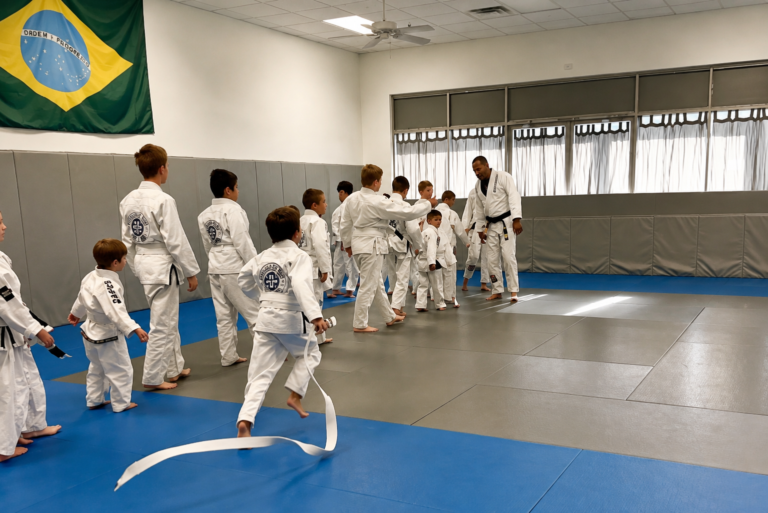
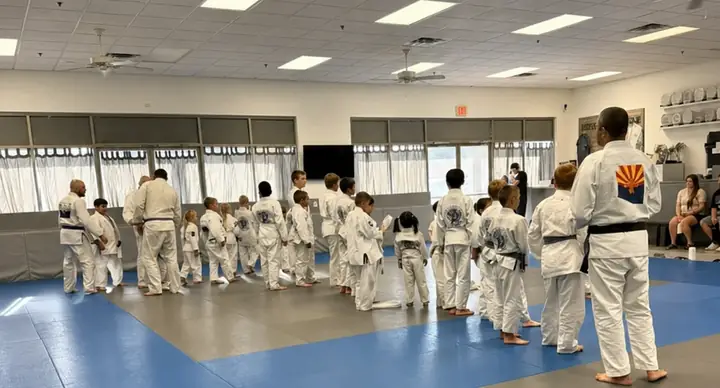
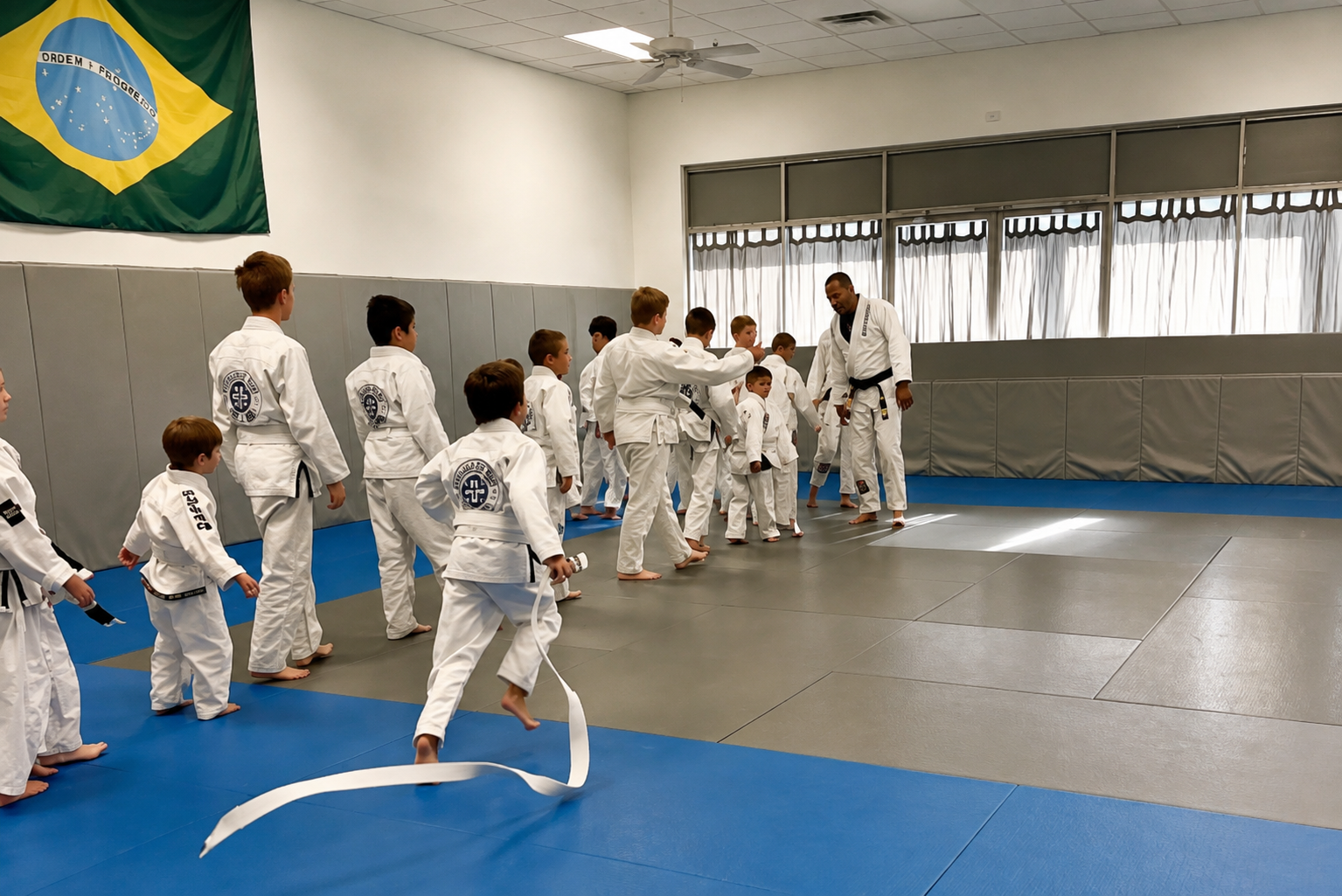
Many families in Mesa, Arizona wonder whether tournaments are a good fit for their child. The benefits of kids competing in jiu-jitsu reach well beyond medals, touching confidence, discipline, and the way children handle pressure.
At Maracaba BJJ, we know every child is different. Some love the energy of a tournament, while others prefer steady weekly classes. Understanding both paths helps parents choose what truly fits their child.
DISCOVER Maracaba BJJ
CLICK HEREPersonal Growth Through Kids Jiu-Jitsu Competition
Competition places a child in a situation that classes alone rarely create. The growth that follows is mostly internal, and it often shows up in everyday habits.
Confidence Built Through Preparation
Preparing for a tournament gives a child a clear reason to practice. Each drill, each round of sparring, and each small improvement becomes a step toward something concrete.
That sense of earning progress can strengthen self-belief. Parents exploring why parents choose kids jiu-jitsu often mention confidence as a main reason.
Learning to Handle Nerves
Stepping onto the mat in front of spectators is a real challenge for a young athlete. Feeling nervous is normal, and learning to act despite that feeling is a valuable skill.
With supportive coaching, children practice breathing, staying calm, and focusing on the task. These habits can help them in school presentations and other stressful moments.
Discipline and Goal Setting
A tournament date creates a natural goal. Children learn that showing up consistently, listening to instructors, and working on weaknesses all contribute to how they perform.
This structure can be especially helpful for energetic children, as explained in our post on jiu-jitsu for hyperactive kids, where focus and self-control are trained step by step.
Resilience After a Loss
Losing a match is part of competing, and it may be one of the most useful lessons. A child learns that setbacks are information, not failure.
When adults respond with encouragement and curiosity, kids tend to ask what they can improve. That mindset of learning from mistakes is valuable far beyond the mats.
Physical and Technical Development on the Mats
Beyond mindset, tournaments also push children to apply what they have learned. The physical and technical side of competing is where classroom lessons meet real resistance.
Applying Technique Against Real Resistance
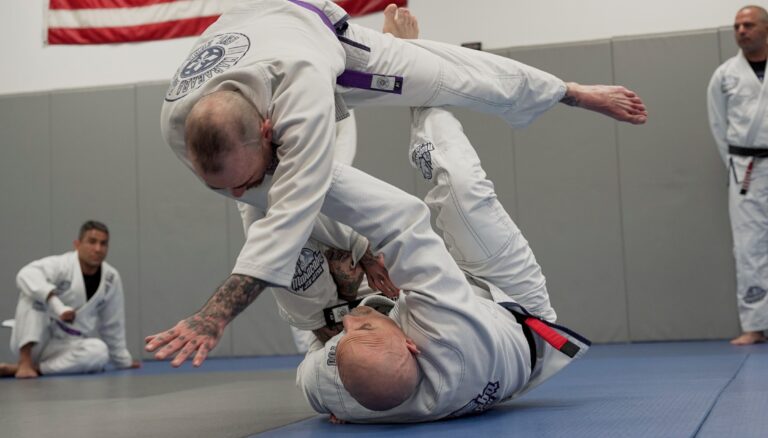
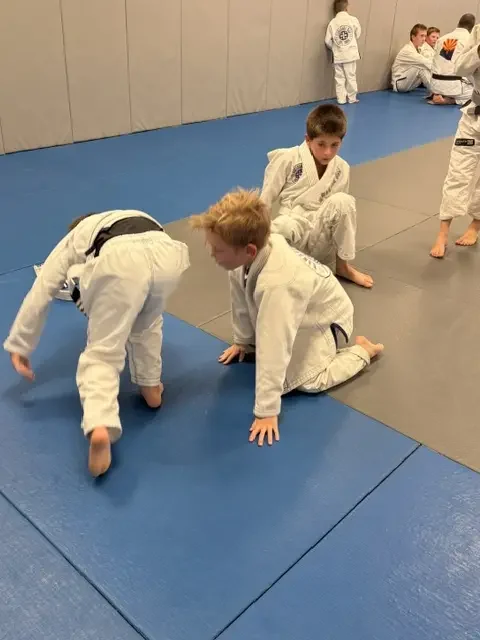
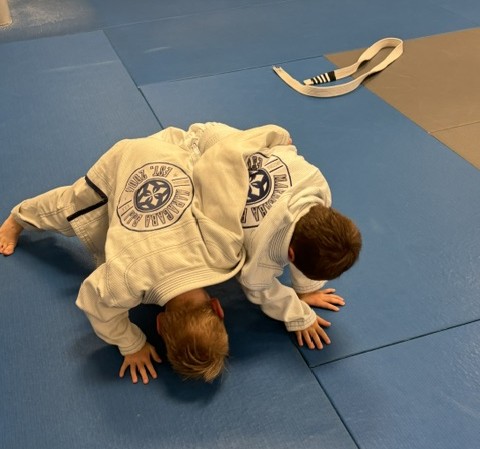
In class, a child drills moves with cooperative partners. In a tournament, the opponent resists, and that difference teaches how techniques actually work under pressure.
This is why structured BJJ competition training focuses on timing, positioning, and smart decisions rather than only on strength.
Fitness, Coordination, and Body Awareness
Jiu-jitsu asks children to use their whole body, from balance and flexibility to grip strength and movement. Preparing for matches naturally builds general fitness along the way.
Because the sport is based on leverage and technique, children of different sizes can learn to move efficiently. Coordination and body awareness tend to improve with consistent practice.
Sharper Focus and Decision-Making
A match moves quickly, and a child must choose what to do next with little time to think. Practicing those choices trains attention and problem-solving.
These skills connect to the broader physical and mental health benefits that regular jiu-jitsu training can offer to people of different ages.
Social Skills and Character Beyond the Tournament
Tournaments are also social events. Children meet new people, follow rules, and represent their team, which shapes character in lasting ways.
Respect for Opponents and Referees
Every match begins and ends with a show of respect. Children shake hands, accept referee decisions, and thank the opponent whether they win or lose.
Practicing these rituals repeatedly makes respect a habit. Many parents value this lesson as much as any technical skill their child learns.
Team Spirit and Friendships
Cheering for teammates creates a strong sense of belonging. Children see others working hard, and they learn that supporting friends matters as much as their own result.
Shared travel, warm-ups, and celebrations can turn classmates into friends. That community feeling often keeps young athletes motivated to keep training.
Sportsmanship That Carries Into Daily Life
Winning gracefully and losing with dignity are lessons that apply at school, at home, and in future jobs. Competition gives children a safe place to practice them.
When a child congratulates an opponent after a tough match, they are building character. Coaches and parents can reinforce this by praising effort and attitude first.
How to Know If Your Child Is Ready to Compete
Readiness depends on the child, not only on age or belt level. A child who enjoys training, understands the basic rules, and feels curious about trying a tournament may be ready for a first experience.
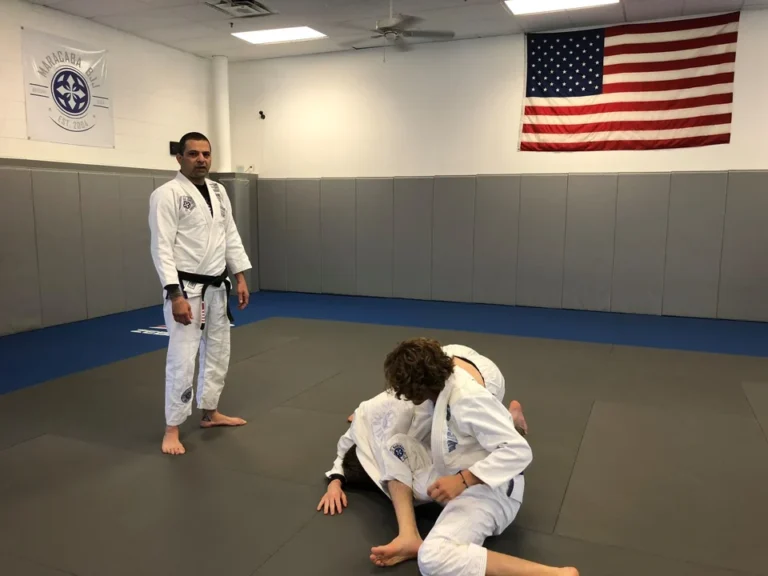
Talk with your child’s instructor, ask how your child feels about competing, and remember that waiting is also a valid choice. Families in Mesa can visit the academy to see how classes run and ask questions directly.
Making Competition a Positive Experience
The healthiest approach is to treat tournaments as learning opportunities. Celebrate effort, keep expectations realistic, and let your child set the pace, whether they compete often or only occasionally.
If your family is new to the sport, our beginner’s guide to jiu-jitsu explains what to expect from the first class and how training typically progresses.
DISCOVER Maracaba BJJ
CLICK HEREIs Competing Right for Your Child?
The benefits of kids competing in jiu-jitsu include confidence, resilience, discipline, respect, and friendships, but the experience should always match the child’s interests and comfort level. There is no single right path.
If you live in Mesa, Arizona and want to see how training works for kids, we invite you to meet the Maracaba BJJ community, ask your questions, and decide together what is best for your family.